How to Make Butternut Squash Soup Creamy Without Cream: The Silky, Cozy, Dairy-Free Bowl You’ll Crave on Repeat
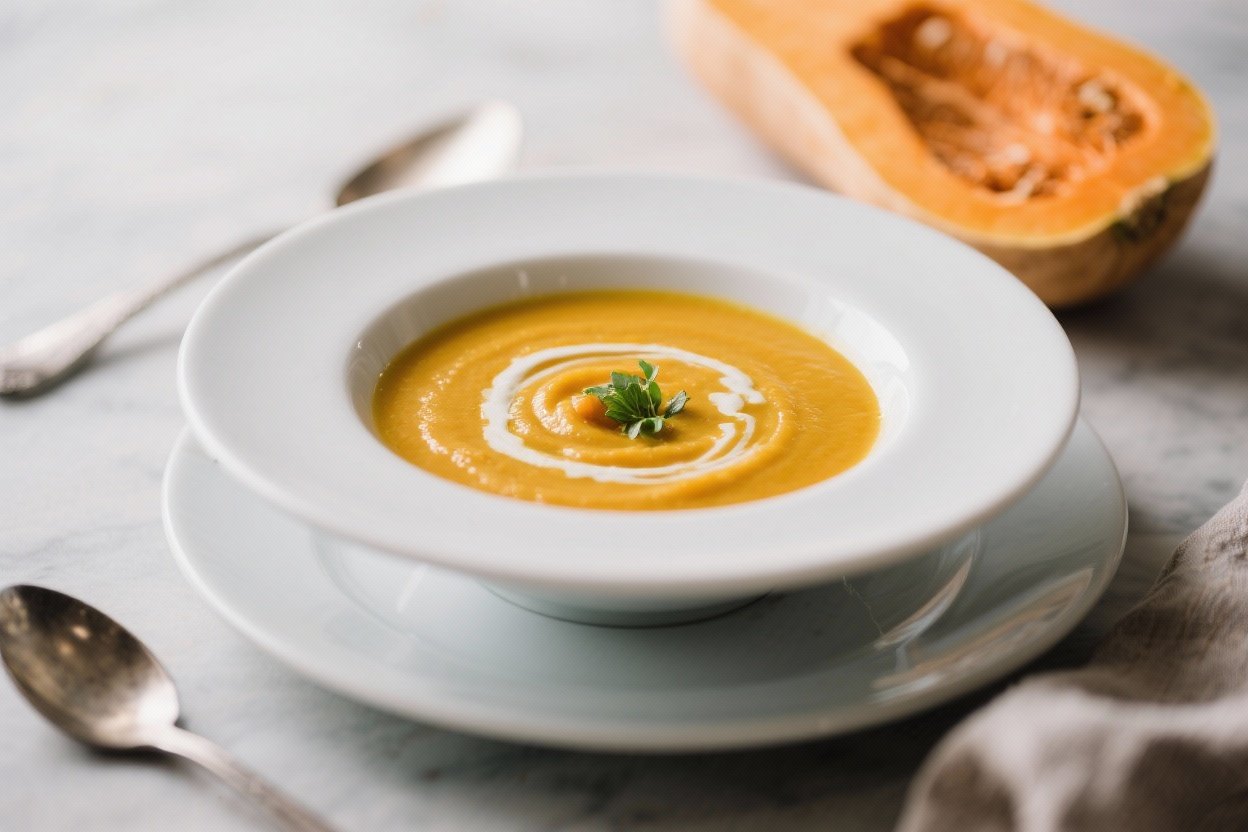
You want rich, velvety soup without feeling like you just drank a pint of heavy cream? Good. Because this butternut squash soup hits like a hug and performs like a power meal.
We’re using technique over dairy—think roasted squash, emulsified aromatics, and strategic fat—to get that spoon-coating texture. It’s fast, it’s simple, and it tastes like you paid $14 for it at a bougie café. Make it once and your blender becomes your new favorite kitchen flex.
Why This Recipe Works
This soup turns creamy because of starch and fiber, not cream.
Roasting the squash concentrates sugars and softens the flesh, which blends into a naturally thick puree. Adding a small amount of olive oil or coconut milk provides just enough fat to create that luxurious mouthfeel.
We also build depth with caramelized onions, garlic, and a splash of acid. Blending while hot traps air and emulsifies everything—like making mayo, but way easier and more comforting.
The result? A silky soup that tastes indulgent but won’t knock you into a food coma.
Shopping List – Ingredients
- 1 large butternut squash (about 2.5–3 lbs), peeled, seeded, cubed
- 2 tablespoons olive oil (plus more for roasting)
- 1 large yellow onion, chopped
- 3 cloves garlic, minced
- 1 medium carrot, chopped (optional for sweetness)
- 1 small apple (Honeycrisp or Granny Smith), peeled and chopped (optional brightness)
- 4 cups vegetable broth (low-sodium preferred)
- 1 small potato, peeled and cubed (Yukon gold or russet; for extra creaminess)
- 1 teaspoon kosher salt, plus more to taste
- Freshly ground black pepper
- 1/2 teaspoon ground cumin (optional warm depth)
- 1/4 teaspoon smoked paprika (optional)
- Pinch of cayenne (optional heat)
- 1–2 teaspoons apple cider vinegar or lemon juice (for finishing)
- 2–4 tablespoons full-fat coconut milk or extra olive oil (for richness; optional but recommended)
- Fresh herbs (sage, thyme, or rosemary), optional
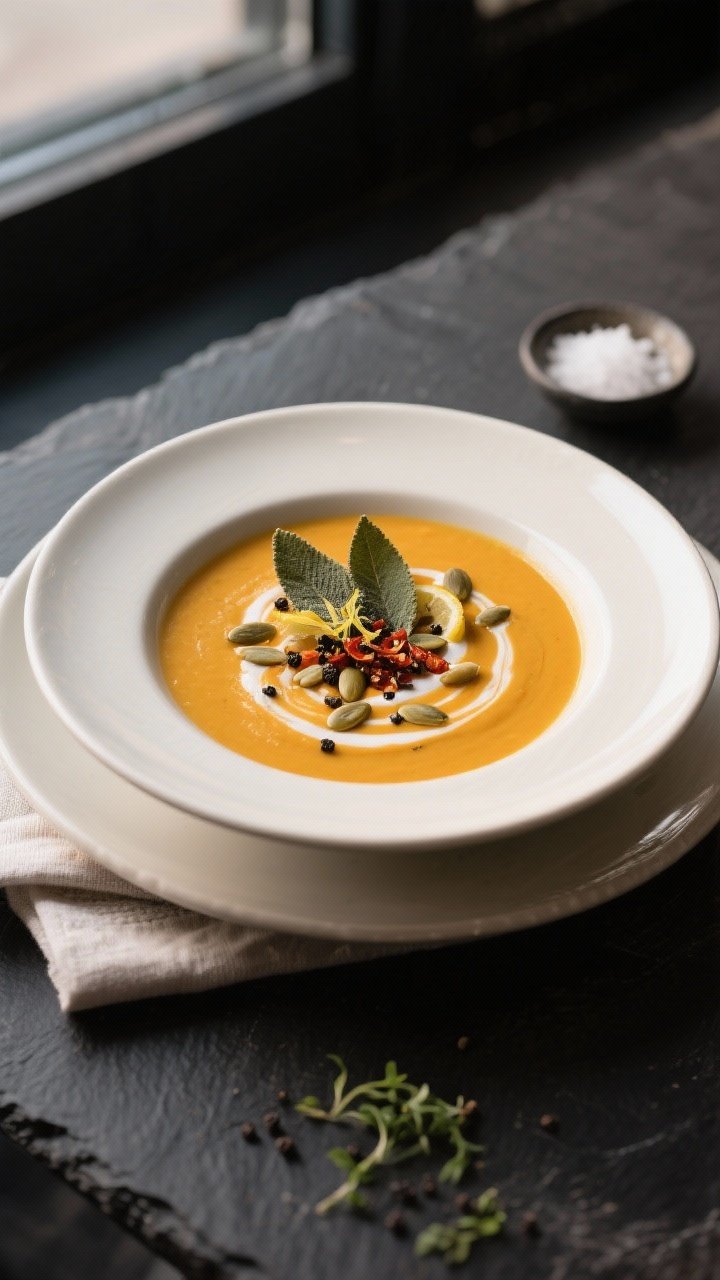
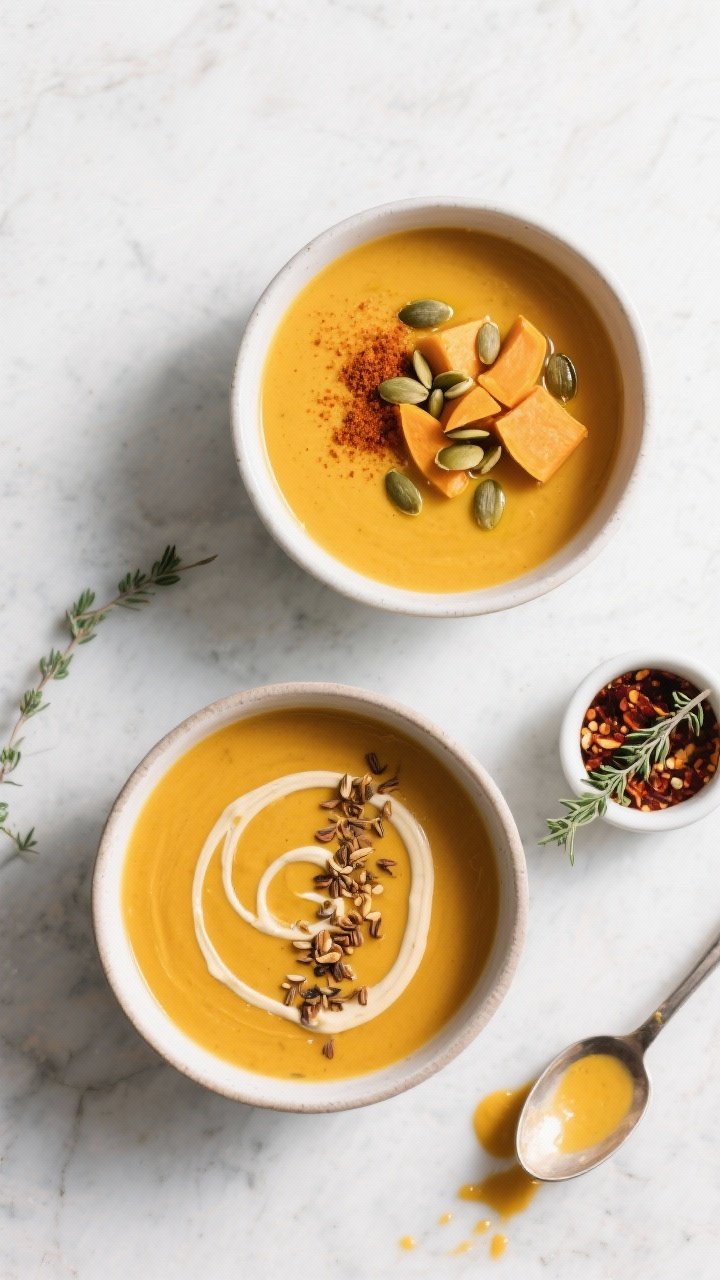
- To garnish: toasted pumpkin seeds, chili crisp, crispy sage, or a swirl of coconut milk
How to Make It – Instructions
- Roast the squash. Preheat oven to 425°F (220°C). Toss cubed squash with a drizzle of olive oil, salt, and pepper.
Spread on a parchment-lined sheet and roast 25–35 minutes until deeply golden at the edges. Browning = flavor; don’t rush.
- Sauté the aromatics. In a large pot, heat 2 tablespoons olive oil over medium. Add onion and a pinch of salt.
Cook 6–8 minutes until translucent and lightly caramelized. Add garlic; cook 30 seconds. If using carrot and apple, add and cook 3–4 minutes to soften.
- Spice it right. Stir in cumin, smoked paprika, and cayenne.
Toast for 30 seconds until fragrant. Keep it moving so nothing burns—we’re toasting, not torching.
- Build the base. Add roasted squash, potato, and vegetable broth. Bring to a boil, then reduce to a simmer.
Cook 12–15 minutes until potato is very tender.
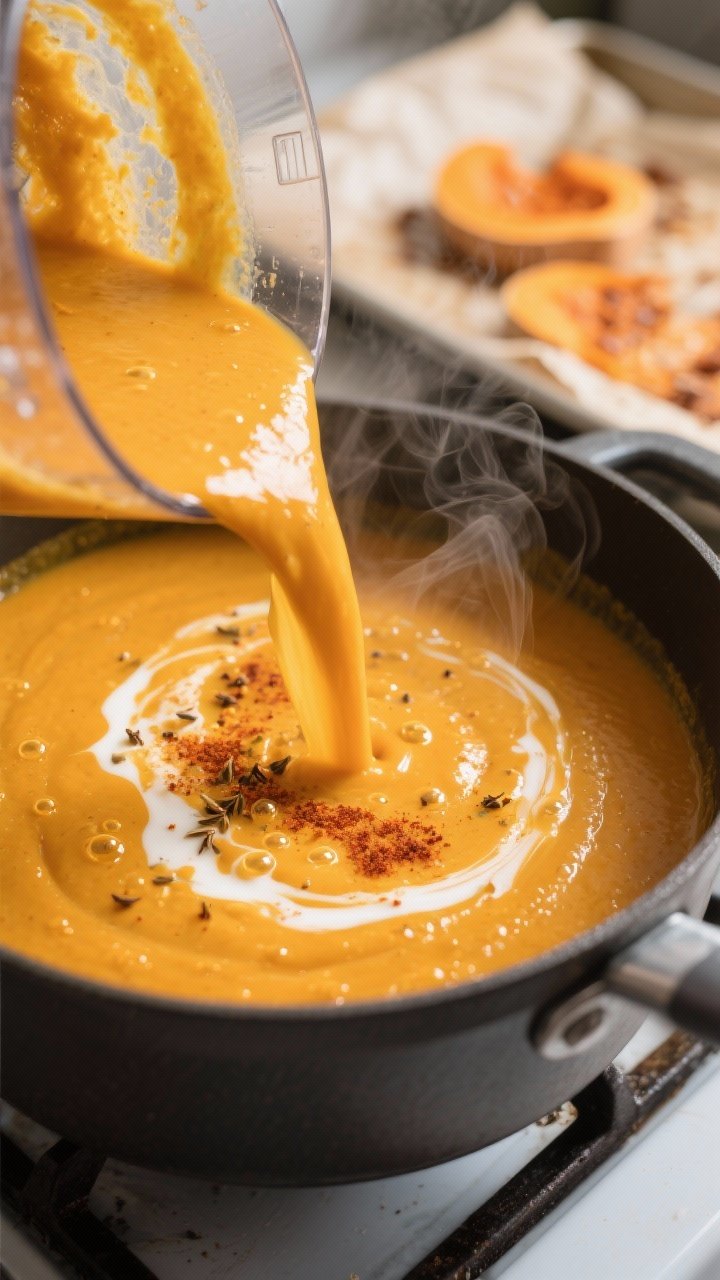
- Blend to velvet. Off heat, use an immersion blender to puree until silky. For ultimate creaminess, transfer in batches to a high-speed blender. Blend 60–90 seconds until glossy.
Return to pot.
- Finish with fat and acid. Stir in 2–4 tablespoons coconut milk (or an extra 1–2 tablespoons olive oil) for body. Add 1–2 teaspoons apple cider vinegar or lemon juice to brighten. Taste; adjust salt and pepper.
If too thick, add broth. If thin, simmer 5 more minutes.
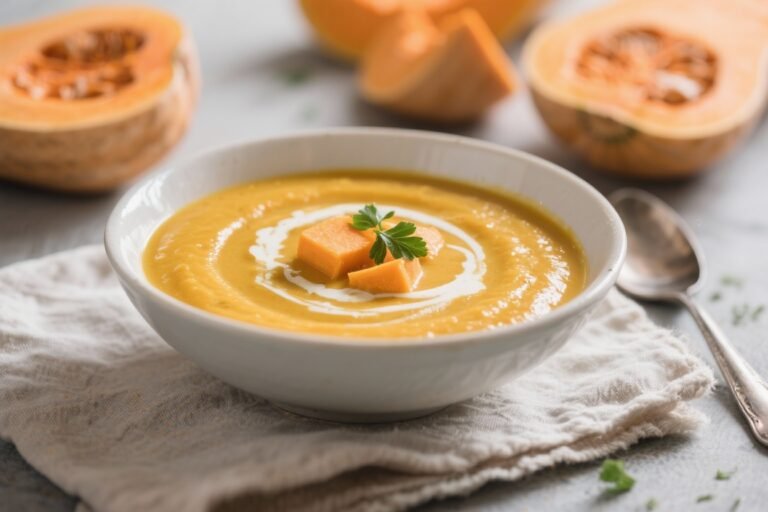
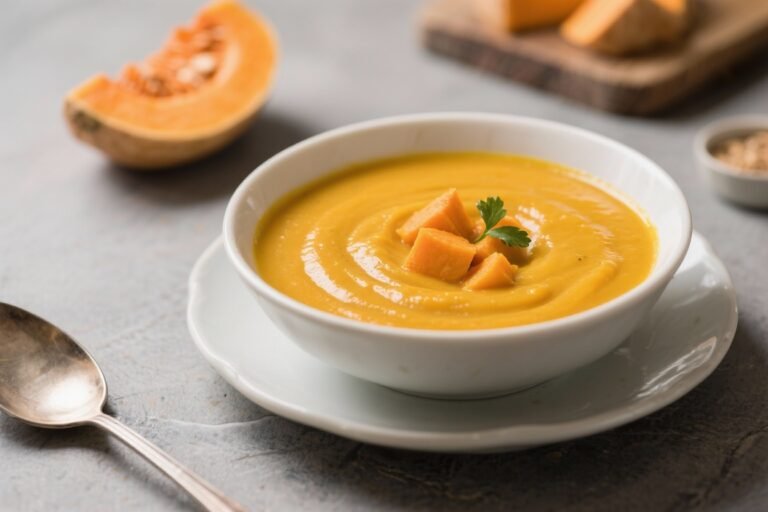
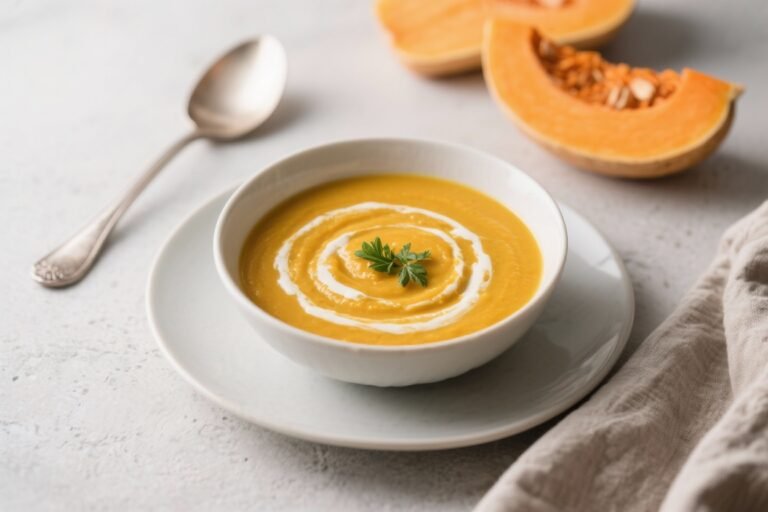
- Serve like a pro. Ladle into bowls. Top with toasted pumpkin seeds, a drizzle of chili crisp, crispy sage leaves, or a swirl of coconut milk.
Pretend you run a bistro. No one needs to know.
How to Store
- Fridge: Cool completely, then store in airtight containers up to 5 days.
- Freezer: Freeze up to 3 months. Leave a little headspace; it expands.
Thaw overnight in the fridge.
- Reheat: Warm gently on the stove over medium-low. If it thickens, add a splash of broth or water. Stir to re-emulsify.
- Meal prep tip: Portion into single-serve jars or bags for grab-and-go lunches.
FYI, it travels like a champ.
Why This is Good for You
Butternut squash is loaded with beta-carotene, which your body converts to vitamin A for eye and immune health. The fiber keeps you fuller, longer, and supports digestion. Skipping cream lowers saturated fat while still delivering that “comfort food” feeling.
Onions, garlic, and herbs bring antioxidants and compounds that support heart health.
Coconut milk or olive oil adds healthy fats that help you absorb fat-soluble vitamins. In short: it’s cozy, nutrient-dense, and still tastes like a treat. Wild concept, right?
Pitfalls to Watch Out For
- Skipping the roast. Raw-simmered squash = flat flavor.
Roasting builds sweetness and complexity.
- Under-salting. Potatoes and squash are bland without enough salt. Season in stages and taste at the end.
- Overloading liquid. Too much broth makes it thin and sad. Start with less; you can always add more.
- Not blending long enough. Give it time.
A full minute in a high-speed blender creates that restaurant-level silk.
- Forgetting acid. A tiny splash of vinegar or lemon at the end wakes everything up. It’s the difference between “good” and “wow.”
- Blender safety. Hot soup expands. Vent the lid and blend in batches so you don’t redecorate your kitchen in orange.
Alternatives
- Swap the fat: Use tahini for a nutty vibe, cashew cream for ultra-lux texture, or just extra-virgin olive oil for Mediterranean subtlety.
- Change the profile: Curry version with curry powder and ginger; Mexican-inspired with chipotle and coriander; Italian-leaning with sage, rosemary, and a splash of balsamic.
- No potato? Use white beans for protein and creaminess or a handful of rolled oats simmered 10 minutes (trust—it works).
- Extra veg: Add cauliflower florets to mellow sweetness, or carrots for a sweeter, sunnier bowl.
- Protein add-ins: Top with crispy chickpeas, shredded rotisserie chicken, or sautéed mushrooms, IMO a great move for dinner-worthy bowls.
FAQ
Can I make this without a blender?
You can mash with a potato masher for a rustic texture, but it won’t be silky.
A budget-friendly immersion blender is worth it for soups like this.
How do I peel the squash safely?
Microwave the whole squash for 2–3 minutes to soften the skin. Trim ends, halve lengthwise, scoop seeds, then peel with a sharp Y-peeler. Cut into planks, then cubes.
What if my soup is too sweet?
Add acid (lemon juice or cider vinegar), more salt, and a pinch of smoked paprika or chili flakes.
You can also blend in a handful of cooked cauliflower to balance.
Can I use frozen butternut squash?
Yes. Roast from frozen at a slightly higher temp (435°F/225°C) until edges caramelize. It blends perfectly and saves time.
Is coconut milk necessary?
No.
It’s optional. Olive oil, cashew cream, or even a spoon of tahini can provide richness without changing the flavor too much.
How can I make it spicier?
Add more cayenne, a spoon of red curry paste, or swirl in chili crisp before serving. Taste as you go so you don’t nuke your taste buds.
What’s the best garnish for crunch?
Toasted pumpkin seeds are classic.
Crispy chickpeas, fried sage, or garlicky breadcrumbs also bring A+ texture.
Can I make this in a slow cooker?
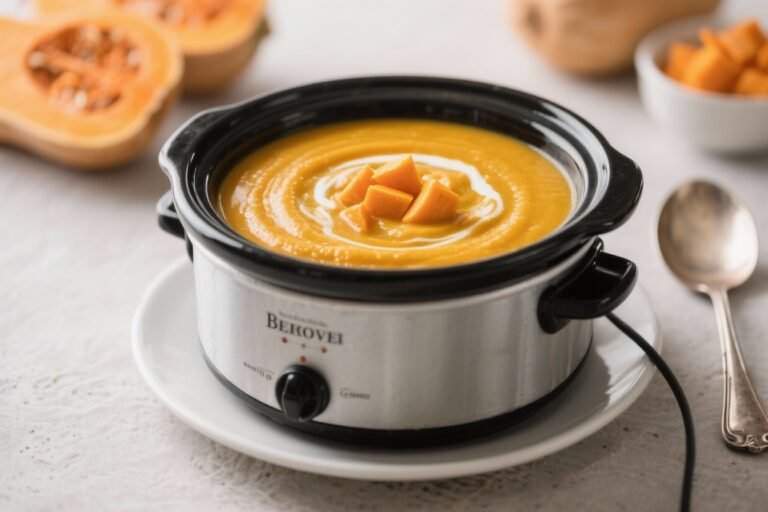
Yes, but roast the squash first for flavor. Then add everything to the slow cooker on Low for 6–8 hours or High for 3–4, and blend at the end.
The Bottom Line
Creamy butternut squash soup doesn’t need cream—it needs smart technique. Roast for flavor, blend for silk, finish with a touch of fat and a hit of acid.
You’ll get a bowl that’s cozy, clean, and absolutely spoon-lickable. Make extra, because Future You will be very, very grateful.
Printable Recipe Card
Want just the essential recipe details without scrolling through the article? Get our printable recipe card with just the ingredients and instructions.